THESpirit Maker
Menu

Spirits development & distillery advice

From spark
to spirit.

Pragmatic advice for launching a spirits brand, developing a product or planning your own distillery. From your first idea to the next stage of an established business, I’ll help you find a sensible route.

Send a project enquiry See how I can help
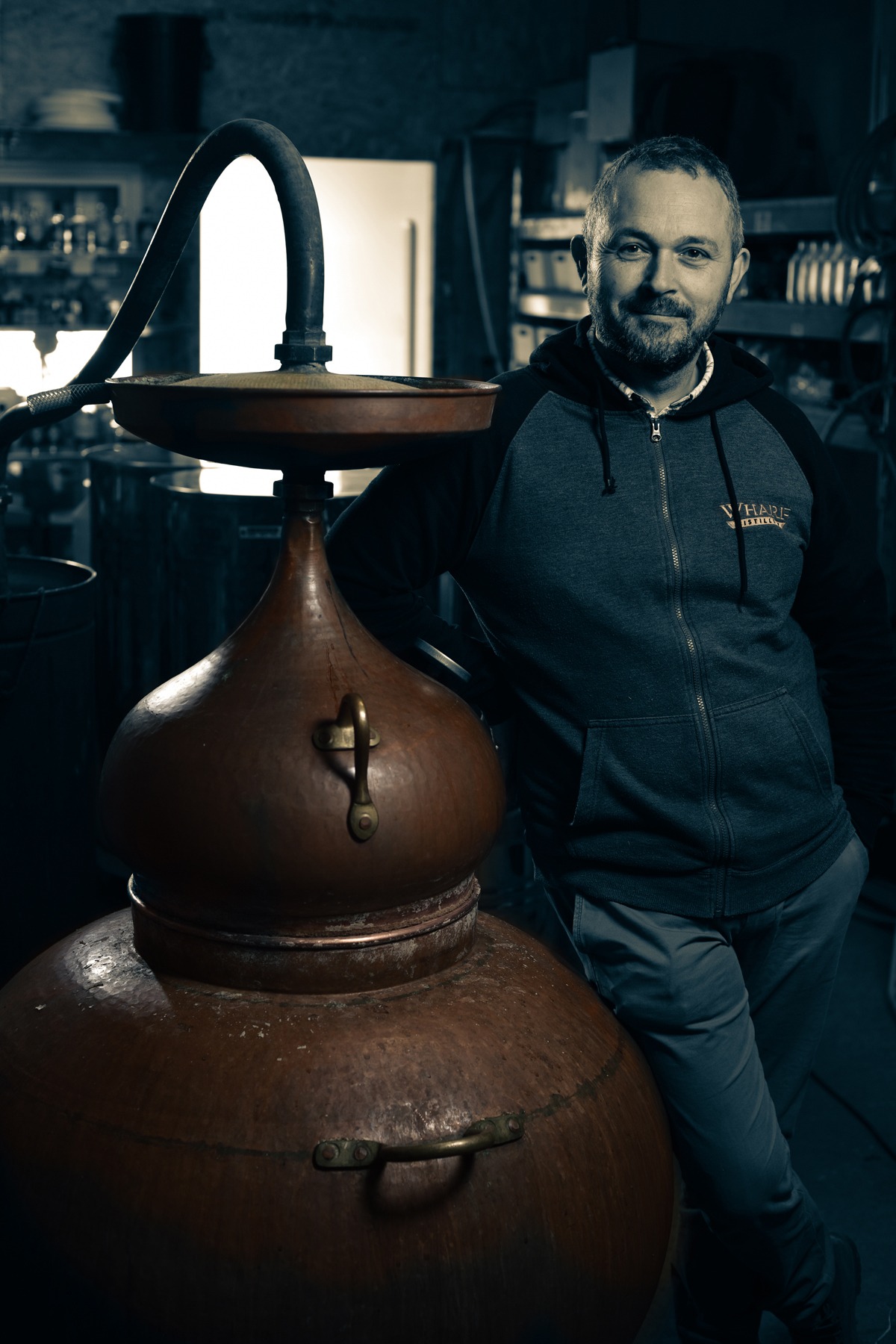
Laurence Conisbee beside a copper still at Wharf Distillery
Practical experience. Personally shared. Laurence Conisbee · Founder of The Spirit Maker
Since 1995From cidermaking
to distilling
150+Clients supported
200+Products developed across client and in-house work

How I can help

What do you want to do?

You might be starting a gin, whiskey, rum or brandy brand. You might already make beer, cider or wine and want to move into spirits. We can tackle one decision or work through the whole project.

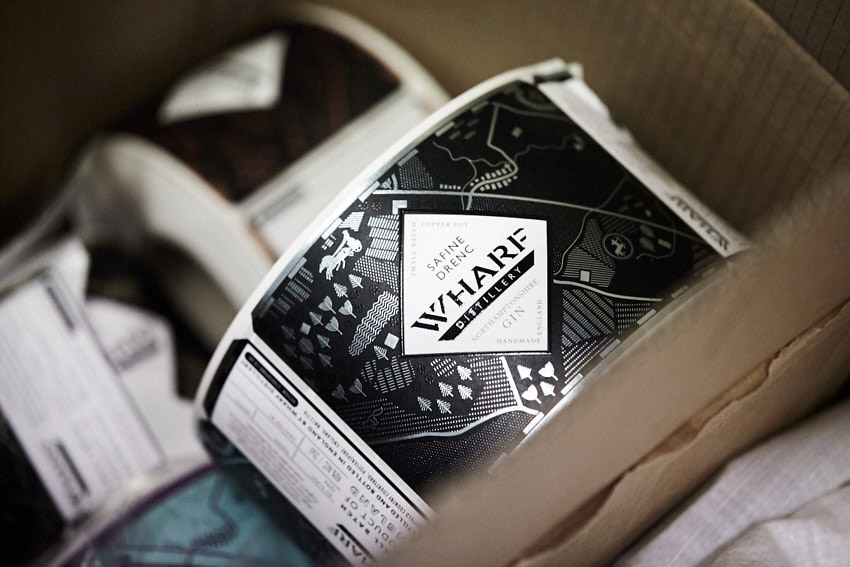
A labelled Wharf Distillery bottle, showing a finished spirits product01 / START SOMETHING

Launch a
spirits brand

Turn a promising idea into a practical plan, with a clearer picture of the costs, production options and decisions ahead.

  • Concept and product development
  • Recipe development and trial work
  • Contract distiller and bottler selection
  • Licensing and HMRC application support
Explore starting a brand →
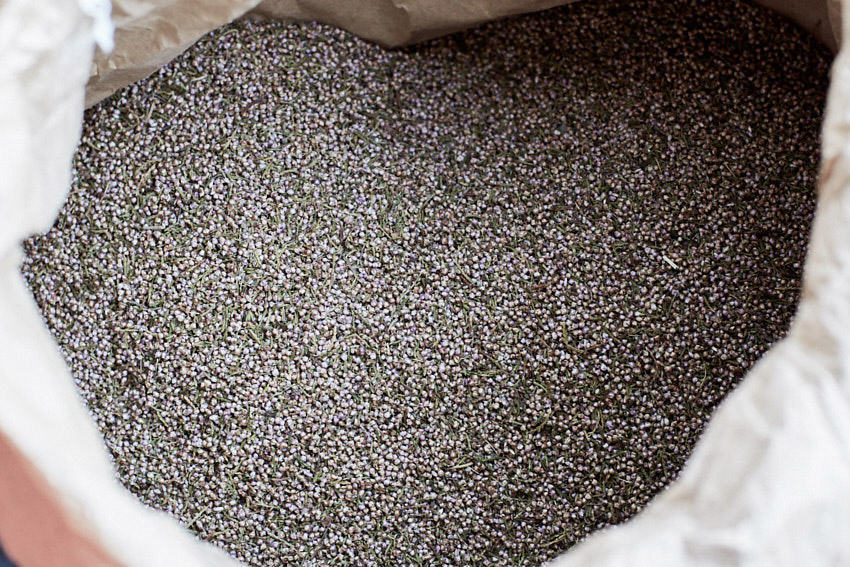
Botanical ingredients used in gin making02 / MAKE IT BETTER

Develop or improve
a product

Get hands-on technical advice to create the character you want, solve production problems and make a consistent spirit.

  • Fermentation and the base wash development
  • Distillation and recipe refinement
  • Repeatability, yields and scale-up
  • Gin, whiskey, rum and brandy projects
Explore product development →
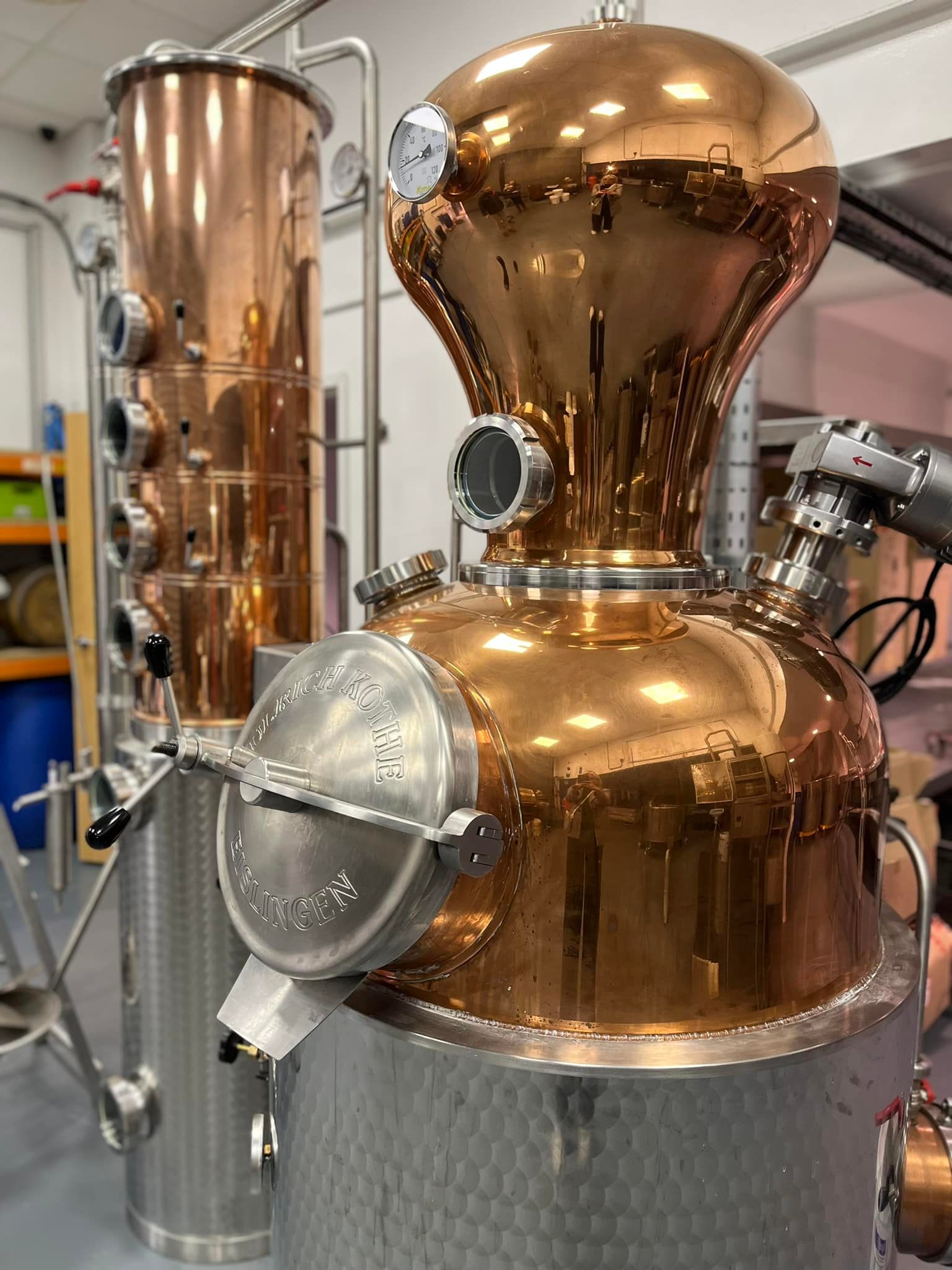
Copper distilling equipment at Wharf Distillery03 / TAKE THE NEXT STEP

Build or expand
production

Plan a distillery of your own, grow an existing operation or explore a route from beer, cider or wine into spirits.

  • Equipment, layout and facility planning
  • Capacity and production processes
  • Premises licensing and regulatory planning
  • Whiskey, brandy and apple brandy diversification
Explore distillery setup →

A practical way forward

From spark to spirit.
With a sensible plan.

Starting well means choosing the right scale for your idea. That might be a modest first batch or a substantial production facility. We shape the work around your ambition and budget, and every investment needs a clear purpose. If you do not need to spend the money, I’ll say so.

  1. STEP 01

    Your idea

    What do you want to make, who is it for, and what can you invest?

  2. STEP 02

    A practical plan

    Understand the choices, costs and work that matter first.

  3. STEP 03

    Choose production

    Find a suitable partner or plan your own operation.

  4. STEP 04

    Develop the spirit

    Build the recipe and process around the character you want.

  5. STEP 05

    Prepare for launch

    Bring the product, packaging and sales arrangements together.

Join at the stage you need. The route depends on your product, plans and starting point.
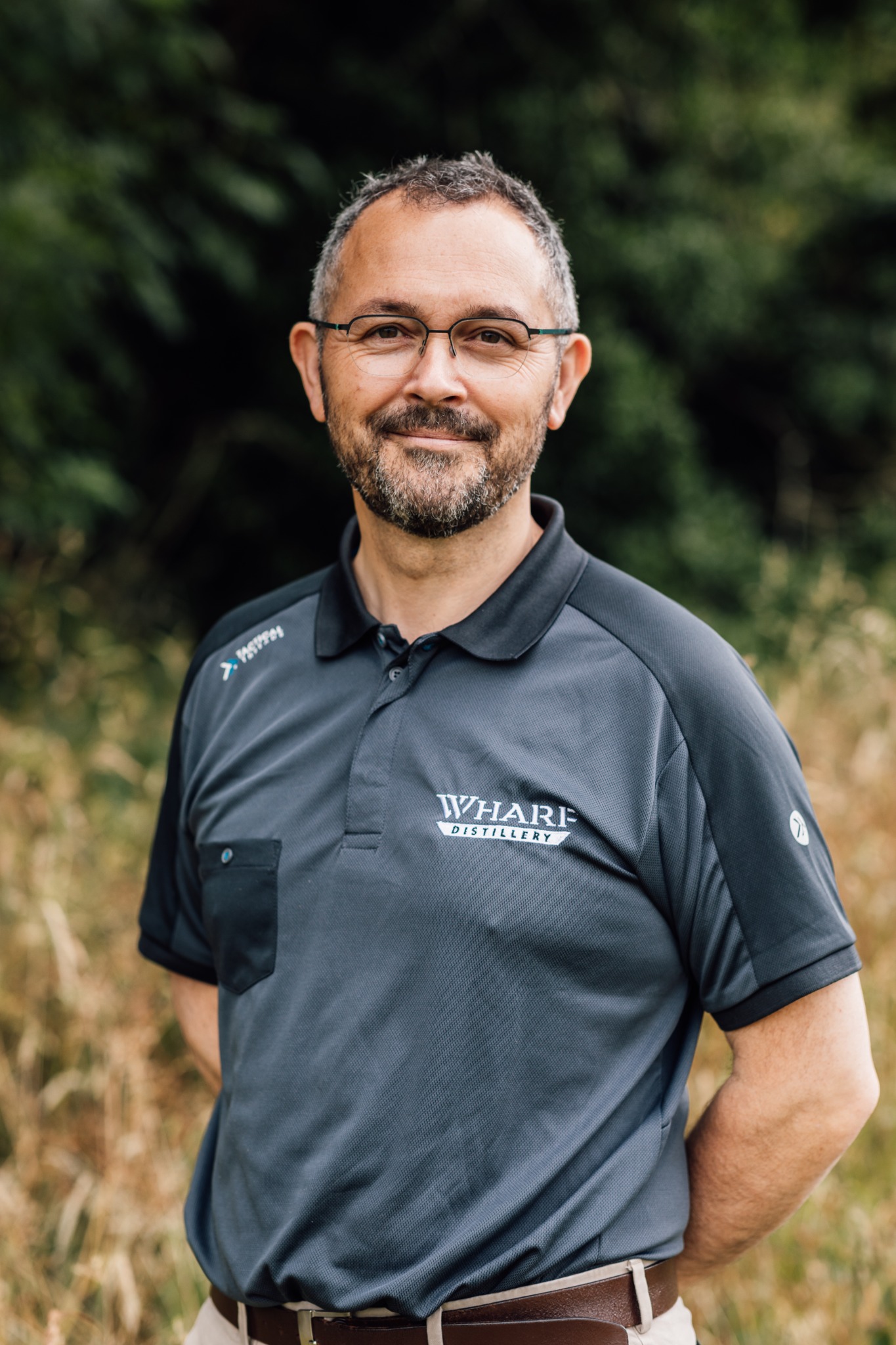
Laurence Conisbee, founder of The Spirit Maker
Laurence ConisbeeFounder of The Spirit Maker
and Wharf Distillery

The person behind the advice

An experienced maker.
A straightforward approach.

I’m Laurence. I started commercial cidermaking in 1995, formed Virtual Orchard Ltd in 2012 and rebranded the business as Wharf Distillery in 2017. Along the way, I’ve helped founders, estates and established businesses turn their ideas into actual products.

I’ve built an award-winning drinks business from a garden-apple project, developed English whiskey with a local brewer, and changed direction when premises and markets demanded it. I know the practical decisions behind an idea: ingredients, yields, licensing, equipment, production partners and the cost of getting the detail wrong.

My approach comes from starting with very little: every piece of equipment had to earn its place. Today, I apply the same discipline to a small first project or a substantial investment. You’ll work directly with me to find a sensible route and spend where it serves the business.

How we can work together →
The experience behind the advice

Experience built by doing.

  1. 1995

    Hogshead Cyder

    Founded in North Essex, before “craft” became a movement.

  2. 2014

    Our own distilling approval

    Began distilling apple brandy ourselves and offering contract distilling.

  3. 2019

    Our first whiskey release

    Brought our first English whiskey to market after years of development and maturation.

  4. 2022

    A founding voice in the EWG

    Founding member of the English Whisky Guild, championing equitable standing for small producers.

The full story: from cider to spirits →

Recognition earned in the glass. Over the years, our spirits have earned numerous awards from internationally recognised competitions — a track record built through making and developing the products themselves.

Before you get started

Questions before you get started.

Can I launch a spirits brand without my own distillery?

Yes. I can help you define the product and production brief, understand contract distilling options and choose a partner who fits your scale and budget.

Can you help with licensing and HMRC applications?

I can help you map the permissions you may need, prepare the information and present clear applications, including for premises licensing and HMRC approvals. The final decisions rest with the relevant authorities.

I already make beer, cider or wine. Where do I start?

We can explore which spirits suit your base product, the production process, the equipment and facilities involved, and what can be done in-house or with a partner.

Is it worth talking if I have a small budget?

Yes. A focused advisory session can help you avoid committing to the wrong equipment, recipe or production agreement. We can start with a specific question and agree the scope and cost before any work begins.

Let’s talk

What are you
trying to make?

Tell me about your spirit or distillery project, where you are in the process and the question you most need answered. An early idea is enough to start the conversation.