THESpirit Maker
Menu

Build or expand

A distillery that works.
A plan that stacks up.

Get practical support with the process, premises, equipment and approvals involved in making spirits yourself.

Send a project enquiry ↗

Start with the process

Choose the operation before the equipment.

A still is one part of a production facility. The plan also needs to account for what feeds it, what happens afterwards and how people will work safely around it.

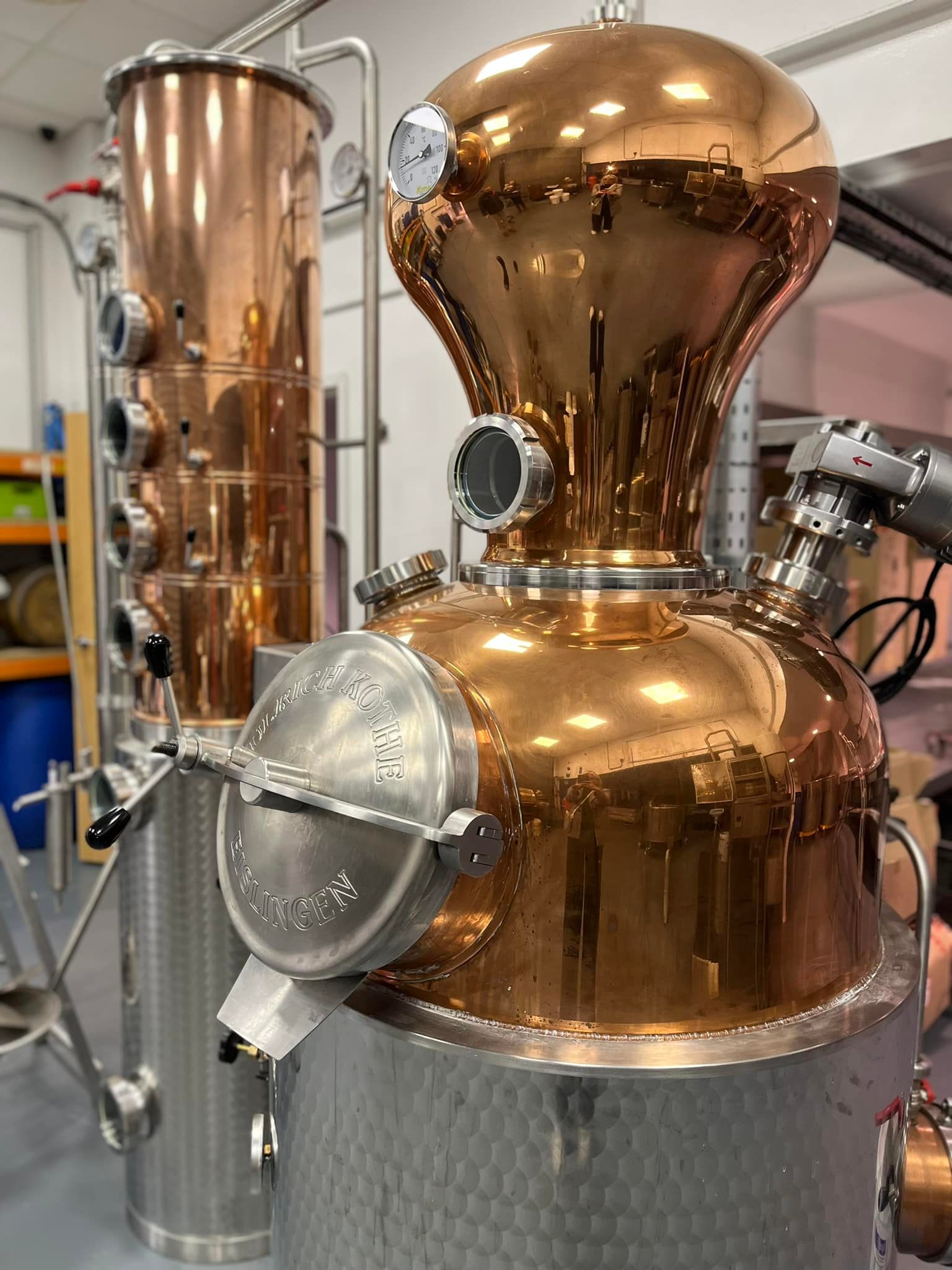
Copper still and column at Wharf Distillery
A working facility needs its equipment, services and processes to fit together.

An operation that fits the ambition

We work through the products, batch sizes, capacity and likely workload. Then we consider the premises, flow of materials, fermentation, distilling, storage and bottling.

The aim is a facility that can do the work you need, with a realistic view of where growth might lead.

Practical choices about investment

I can help you compare equipment options, assess supplier proposals and identify the decisions that could create avoidable cost later.

Every bit of kit should earn its place. We consider what needs to be in-house now, what a partner could handle and where specialist advice is needed. A larger budget gives you options; each recommendation still needs a sound reason behind it.

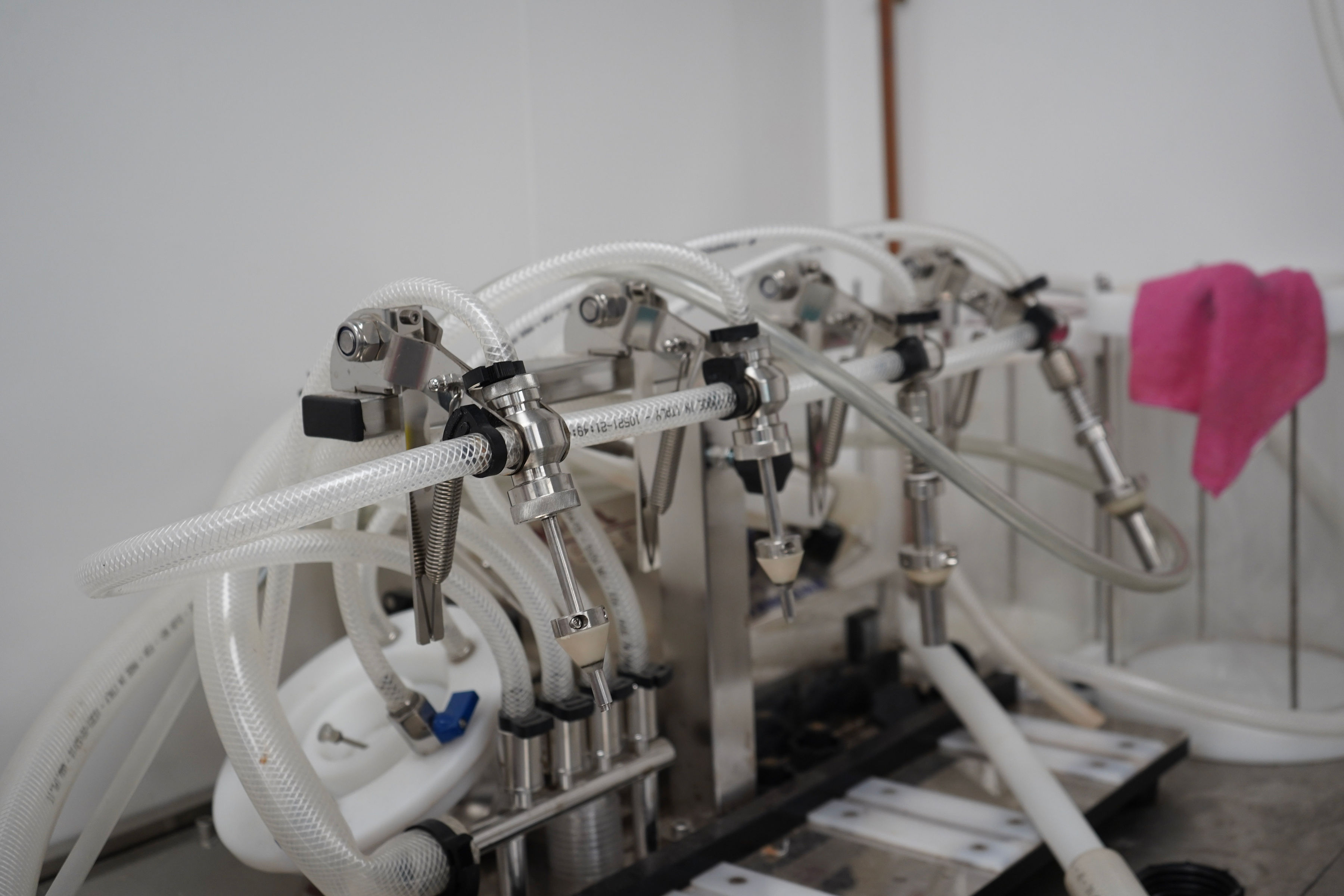
Bottle-filling equipment at Wharf Distillery
Filling: one of the production stages to plan beyond the still.
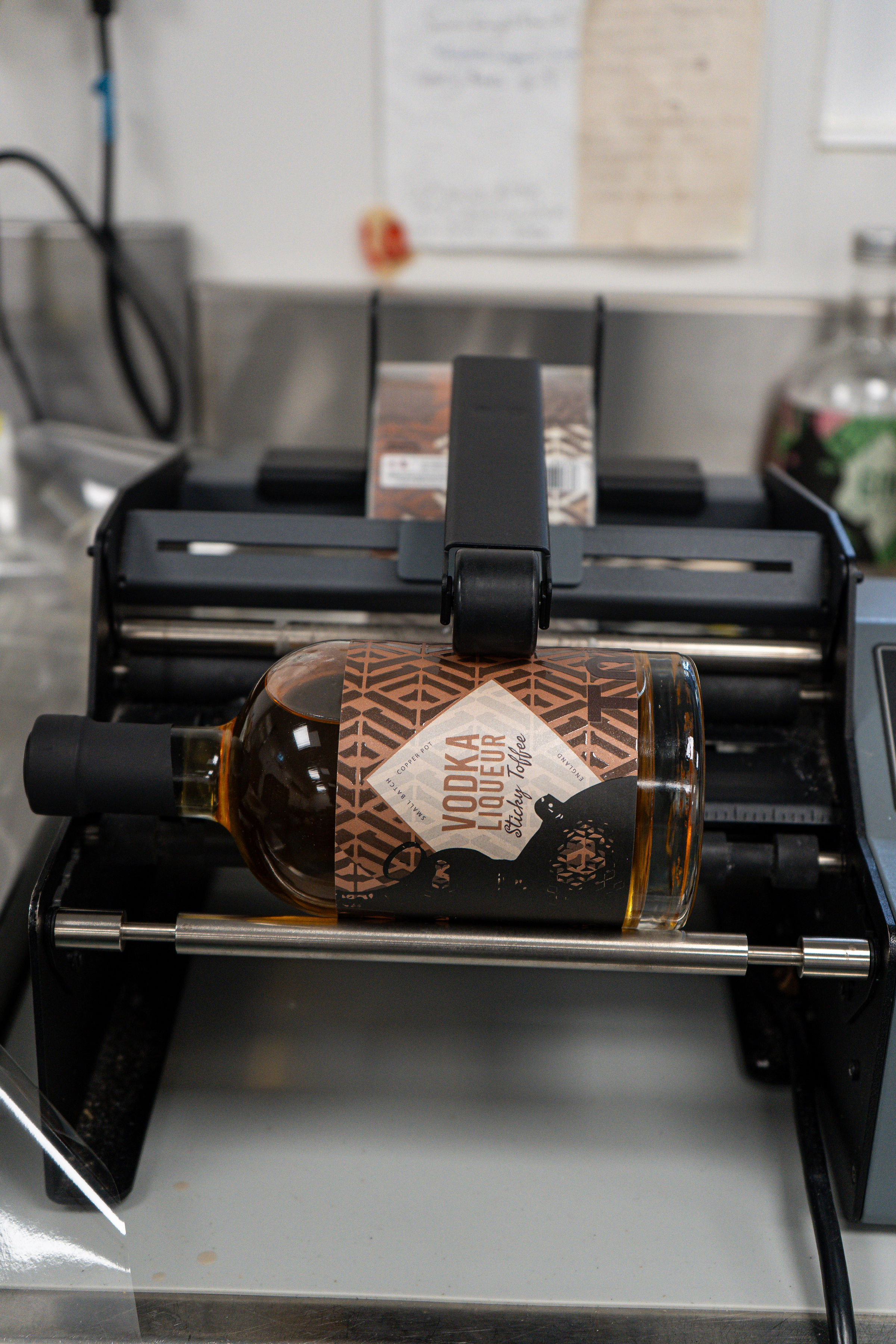
A spirits bottle being labelled on production equipment
Labelling and finishing: part of the route to a saleable product.

The facility setup route

From a proposed operation
to a working facility.

Site suitability, permissions and safety are part of the early planning, with further checks as the design and operation develop.

  1. STEP 01

    Define the operation

    Start with products, volumes, process and budget.

  2. STEP 02

    Assess the site

    Review space, layout, services, drainage and practical suitability.

  3. STEP 03

    Plan approvals

    Map the regulatory, licensing and safety work around the proposed operation.

  4. STEP 04

    Specify and install

    Choose equipment and services that work together.

  5. STEP 05

    Commission and produce

    Plan trials, quality checks, records and day-to-day production.

Permissions, compliance and safety — considered throughout

Activities & scopeClarify what you will ferment, distil, store, bottle and sell.
Premises checksInvestigate planning, landlord, utilities and discharge questions.
Permissions & risksReview HMRC, licensing, fire and process safety considerations.
Installation checksCoordinate equipment, services, documentation and specialist input.
Ready to operateConfirm relevant approvals, procedures and records before starting.
Join at the stage you need. The route depends on your product, plans and starting point.

Expand or diversify

Build on what you already have.

If you make beer, cider or wine, moving into spirits may offer a new use for your base product and existing skills.

Explore the production options

We can assess the route into whiskey, brandy, apple brandy or another spirit, and compare making it yourself with using a contract distiller.

Fermentation, storage, maturation, packaging and the time before sale all belong in the discussion.

Make the next steps manageable

Depending on the agreed scope, support can include a production brief, equipment comparison, initial layout review or regulatory action list, plus preparation for conversations with suppliers and specialists.

I can help you prepare applications and organise the practical questions. Relevant authorities decide applications, and specialist design, installation and safety work is handled by the appropriate professionals.
A modest setup or a substantial distillery: invest in what the operation needs, in an order that makes sense.

Tell me about your project → · How we can work together

Let’s talk

What are you
trying to make?

Tell me about your spirit or distillery project, where you are in the process and the question you most need answered. An early idea is enough to start the conversation.